About Alvarez guedes

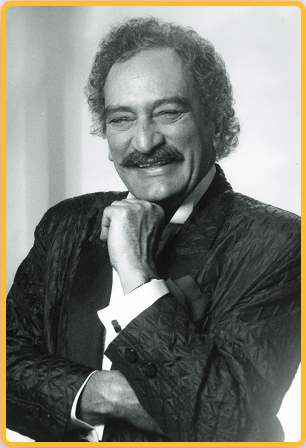
Born on June 8, 1927, in Unión de Reyes, Matanzas, the journey of this comedic legend began in the heart of Cuba. His artistic roots took hold remarkably early; by the age of five, he was already treading the boards of local theater, followed quickly by song and dance performances in neighborhood cinemas. This unique talent evolved when, at just thirteen, he joined a traveling circus-theater troupe, gaining the raw, real-world performance experience that would later define his timing and wit. At nineteen, he sought his fortune in New York City, working humble jobs as a dishwasher and cemetery laborer to survive, only to face a sudden setback when he was deported back to Cuba in 1949.

That return to his homeland marked the spark of his meteoric rise. He quickly became a staple of Cuban radio, mastering both crime dramas and comedy on Unión Radio and Radio Progreso. By 1950, he was handpicked by TV pioneer Gaspar Pumarejo for Cuba’s inaugural television station, CMQ, leading to his iconic breakout as “El Borracho” on Casino de la Alegría just a year later. His influence expanded rapidly through the 1950s—from starring in the prestigious El Solar at the Montmartre Cabaret to making his film debut in El ladrón de los guantes blancos. Ever the visionary, he co-founded Gema Records in 1957, cementing his status as a pillar of the Cuban entertainment industry.

The turning point of his life arrived on October 23, 1960, when he departed Cuba forever on the same flight as Celia Cruz. Forced into exile with his wife Elsa and their two daughters, he turned displacement into a powerful reinvention. After resetting in Puerto Rico and New York, he revived Gema Records abroad and spent the late 1960s sharing the stage as an opening act for fellow exiled titans like La Lupe, Tito Puente, and Celia Cruz.

The 1970s and 80s heralded an era of unprecedented global success. Starting with his first comedy album in Madrid in 1973, he went on to record over 30 albums, including the internationally acclaimed Álvarez Guedes en Venezuela. His reach transcended borders and languages, evidenced by his sold-out 1983 performance at Carnegie Hall and the release of his bilingual hit, How to Defend Yourself from the Cubans, in 1985. Through extensive tours across Latin America and the U.S., he transformed from a performer into a cultural icon, the definitive voice of Cuban exile humor.

Born on June 8, 1927, in Unión de Reyes, Matanzas, the journey of this comedic legend began in the heart of Cuba. His artistic roots took hold remarkably early; by the age of five, he was already treading the boards of local theater, followed quickly by song and dance performances in neighborhood cinemas. This unique talent evolved when, at just thirteen, he joined a traveling circus-theater troupe, gaining the raw, real-world performance experience that would later define his timing and wit. At nineteen, he sought his fortune in New York City, working humble jobs as a dishwasher and cemetery laborer to survive, only to face a sudden setback when he was deported back to Cuba in 1949.

That return to his homeland marked the spark of his meteoric rise. He quickly became a staple of Cuban radio, mastering both crime dramas and comedy on Unión Radio and Radio Progreso. By 1950, he was handpicked by TV pioneer Gaspar Pumarejo for Cuba’s inaugural television station, CMQ, leading to his iconic breakout as “El Borracho” on Casino de la Alegría just a year later. His influence expanded rapidly through the 1950s—from starring in the prestigious El Solar at the Montmartre Cabaret to making his film debut in El ladrón de los guantes blancos. Ever the visionary, he co-founded Gema Records in 1957, cementing his status as a pillar of the Cuban entertainment industry.

The turning point of his life arrived on October 23, 1960, when he departed Cuba forever on the same flight as Celia Cruz. Forced into exile with his wife Elsa and their two daughters, he turned displacement into a powerful reinvention. After resetting in Puerto Rico and New York, he revived Gema Records abroad and spent the late 1960s sharing the stage as an opening act for fellow exiled titans like La Lupe, Tito Puente, and Celia Cruz.

The 1970s and 80s heralded an era of unprecedented global success. Starting with his first comedy album in Madrid in 1973, he went on to record over 30 albums, including the internationally acclaimed Álvarez Guedes en Venezuela. His reach transcended borders and languages, evidenced by his sold-out 1983 performance at Carnegie Hall and the release of his bilingual hit, How to Defend Yourself from the Cubans, in 1985. Through extensive tours across Latin America and the U.S., he transformed from a performer into a cultural icon, the definitive voice of Cuban exile humor.

About the show

Muerto de Risa – El Último Show de Álvarez Guedes is a groundbreaking immersive comedy cabaret honoring the Godfather of Latin Comedy. Blending stand-up, live music, and theatrical storytelling, the experience transports audiences into Álvarez
Guedes’ world through interactive pre-show moments, an intimate comic cabaret performance, and a vibrant post-show experience.

Designed for multigenerational Latino audiences and Miami’s cultural community, the journey extends beyond the stage, creating a shared night of laughter, nostalgia, and connection.

Cast & Creative

Robby Ramos

Co-Director / Writer

Hector Medina

Co-Director / Writer

Nelson Albareda

Co-Director / Writer